
7 Tips TV Stand Premium Ideas for a Stylish Living Room

Table of Contents
- How to Choose the Right TV Stand
- 1. Match Your Interior Style
- 2. Choose the Right Size
- 3. Prioritize Smart Storage
- 4. Consider Materials and Durability
- 5. Plan the Viewing Layout
- 6. Use Color and Proportion
- 7. Complete the Look
7 TV Stand Tips for a Stylish Living Room
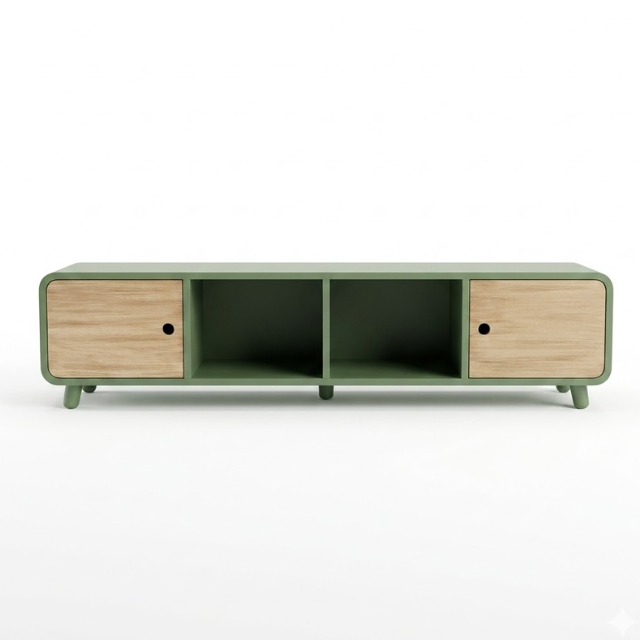
A TV Stand is more than a place to position your television. The right design can organize media equipment, improve visual balance, and make a living room feel more polished without taking up unnecessary space.
Whether you prefer a modern, classic, rustic, or minimalist interior, choosing furniture that fits your room is essential. These seven practical ideas can help you select a TV Stand that combines style, function, and everyday convenience.
1. Match Your TV Stand to Your Interior
Start by identifying the dominant character of your living room. Clean lines and neutral finishes work well in contemporary spaces, while natural wood details can add warmth to classic or rustic interiors.
A media unit should complement your sofa, coffee table, flooring, and wall colors. Avoid choosing a design simply because it looks attractive in a showroom; it should also support the visual language already present in your room.
2. Choose the Right TV Stand Size
Proportion is one of the most important factors when selecting a media unit. Measure the television, available wall width, and surrounding furniture before making a purchase.
- Choose a width that comfortably supports the television and creates visual balance.
- Leave enough clearance around the unit for ventilation and cable access.
- Check the height so the screen sits at a comfortable viewing level.
A unit that is too small may look unstable, while an oversized design can make a compact room feel crowded.
3. Choose a TV Stand with Smart Storage
Modern living rooms often contain streaming devices, game consoles, speakers, remote controls, and other accessories. A practical media unit can keep these items organized while reducing visible clutter.
Look for drawers, cabinets, shelves, or open compartments based on what you need to store. Closed storage is useful for hiding less attractive equipment, while open shelving can display books and decorative objects.
4. Compare TV Stand Materials
Material affects both appearance and longevity. Solid wood can bring natural character and strength, while engineered wood and mixed materials may provide flexible styling at different price points.
When evaluating the furniture, inspect the construction, surface finish, hardware, joints, and overall stability. For additional background on wood as a material, you can explore this trusted reference about wood.
5. Plan Your TV Stand Layout
Think about how people actually use the living room. The screen should face the main seating area without creating awkward angles or blocking natural walking paths.
A well-positioned entertainment unit can also define the entertainment zone. Keep speakers and devices accessible, and leave enough space around the furniture so cleaning and cable management remain easy.
6. Balance TV Stand Color and Proportion
Color can change how large or visually heavy furniture appears. Light finishes can help an airy room feel open, while darker tones can create a stronger focal point against a pale wall.
Consider the proportions of the entire wall rather than focusing only on the television. A balanced entertainment unit should support the screen without overwhelming artwork, lighting, plants, or other decorative elements.
7. Style Your TV Stand with Purpose
The final step is styling. Add a small number of purposeful accessories such as books, ceramics, framed pieces, or greenery, but avoid filling every shelf.
For a refined result, repeat one or two materials or colors already used elsewhere in the room. A thoughtfully styled entertainment unit can become an attractive focal point while keeping the entertainment area practical.
For furniture inspiration and more product information, visit CV ANUGRAH CLASSIC FURNITURE. The right furniture should not only look good; it should make the room easier and more enjoyable to use.
In short, consider style, measurements, storage, materials, layout, color, and accessories before choosing your next unit. With these seven ideas, you can create a living room that feels organized, comfortable, and visually cohesive.
